Table of Contents
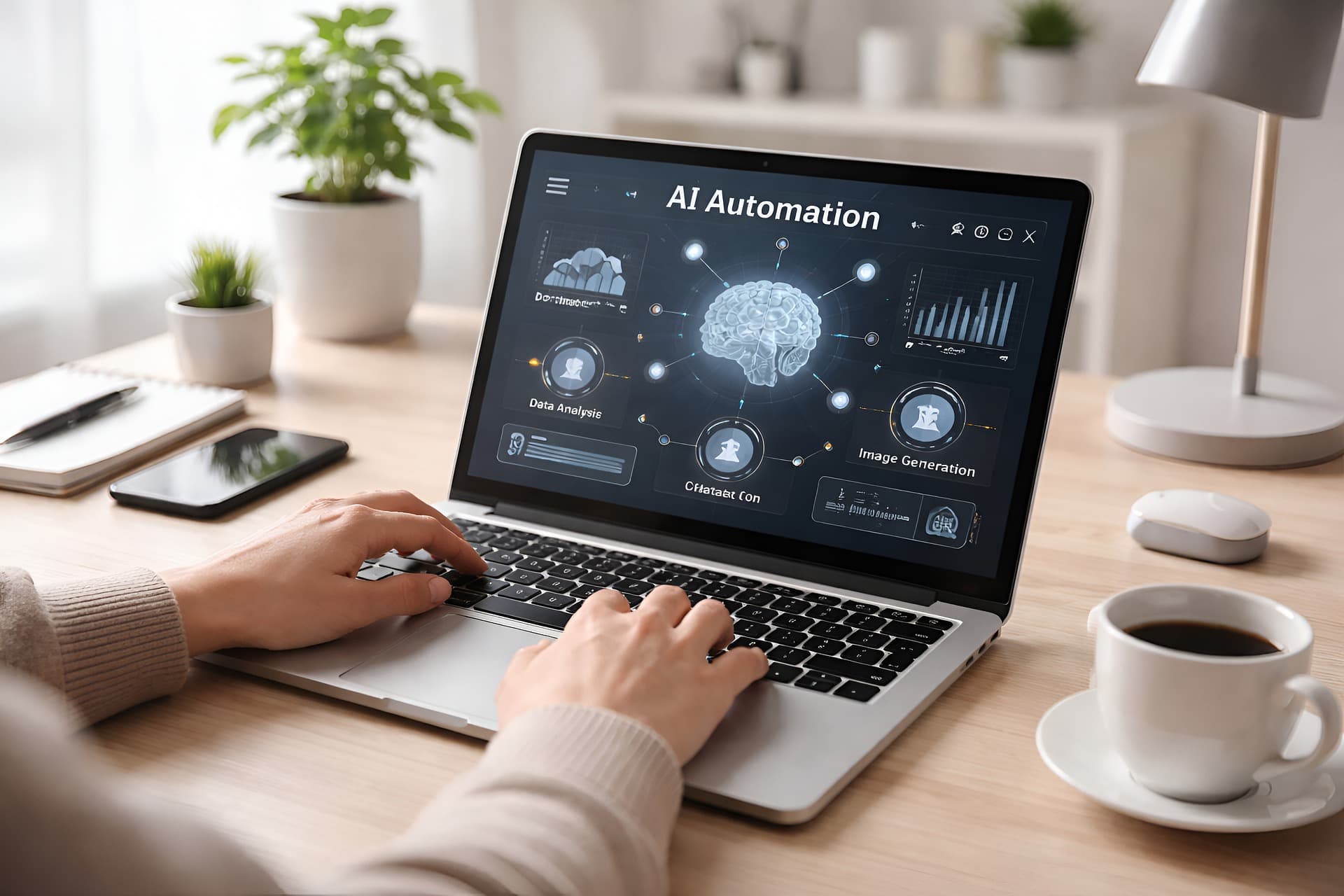
In today's fast-paced digital landscape, efficiency is no longer just an advantage—it is a requirement for survival. As companies seek ways to scale operations while keeping overhead low, a transformative technology has emerged: AI automation. By combining artificial intelligence with traditional automation, businesses can transition from simple rule-based task execution to complex, adaptive cognitive work.
Understanding AI Automation in Modern Business
Traditional business automation relies on fixed, pre-defined rules. For example, a legacy software system might transfer data from an email form to a database. However, if the format changes even slightly, the system breaks. AI-powered automation solves this vulnerability by introducing machine learning, natural language processing (NLP), and computer vision. These cognitive layers allow systems to understand context, learn from historical data, and handle unstructured information with human-like flexibility.
By integrating tailored AI automation services, organizations can automate tasks that previously required manual cognitive effort. This includes understanding the sentiment of customer inquiries, routing support tickets based on semantic meaning, extracting key terms from complex legal contracts, and predicting inventory needs based on historical market patterns.
Key Areas Where Businesses Can Deploy AI Solutions
The applications of artificial intelligence in business operations are virtually limitless. Here are the most high-impact areas where companies are deploying AI solutions for businesses today:
- Customer Service & Support: Intelligent systems handle multi-turn conversations, resolving up to 70% of common queries instantly while routing complex issues to human agents with a full summary.
- Data Extraction and Processing: Optical Character Recognition (OCR) combined with LLMs allows businesses to read, extract, and categorize data from invoices, receipts, and shipping manifests automatically.
- Lead Scoring and Marketing: Machine learning algorithms analyze user behavior to predict which leads are most likely to convert, enabling marketing teams to target campaigns more effectively.
- Operations and Scheduling: AI coordinates complex logistics, schedules maintenance, and optimizes supply chain routes in real time to reduce waste and delay.
The Strategic Benefits of Business Automation
Deploying intelligent automation yields massive dividends across the entire organization. The primary benefit is a significant reduction in operational costs, but the advantages go far deeper. Employee satisfaction increases dramatically when repetitive, mundane tasks are offloaded to software systems, freeing human talent to focus on high-value creative and strategic initiatives. Furthermore, automated processes run continuously, 24/7, with zero fatigue and near-zero error rates, ensuring consistent quality and speed for your customers.
How to Begin Your AI Automation Journey
Successful implementation of AI-driven workflows requires a structured approach. First, identify high-frequency, rule-based processes that currently consume significant employee hours. Second, clean your operational data to ensure the models have high-quality reference material. Finally, partner with a specialized agency to build, test, and deploy custom solutions that align with your specific objectives.
Explore our AI & Digital Services
Flinetic is a premium digital product studio. We engineer lightning-fast custom websites, high-performance mobile apps, and custom AI systems designed to drive organic growth. Learn more about our bespoke solutions: